PUBLIC LANDS IN COLORADO

Rally for Our Federal Lands!

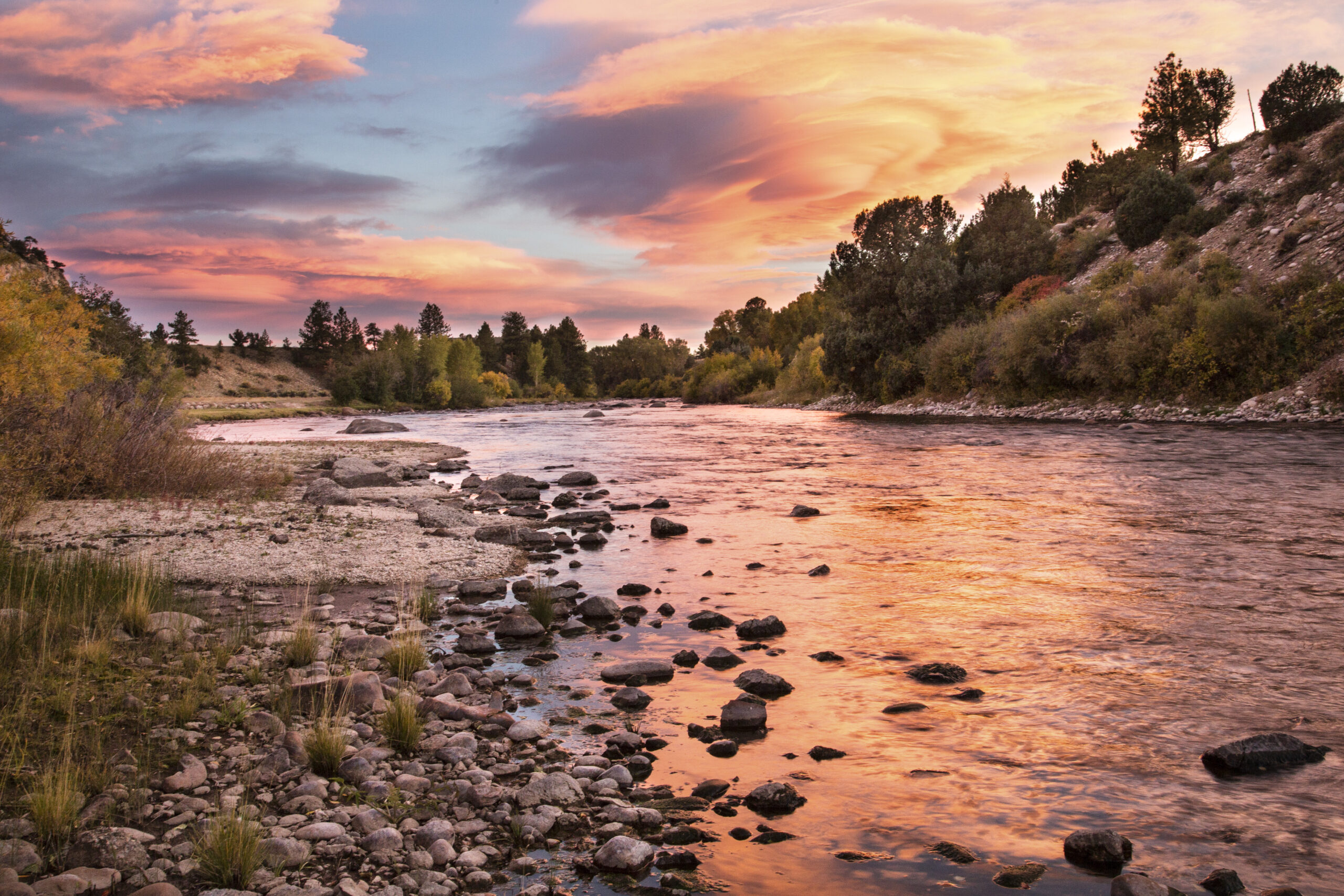
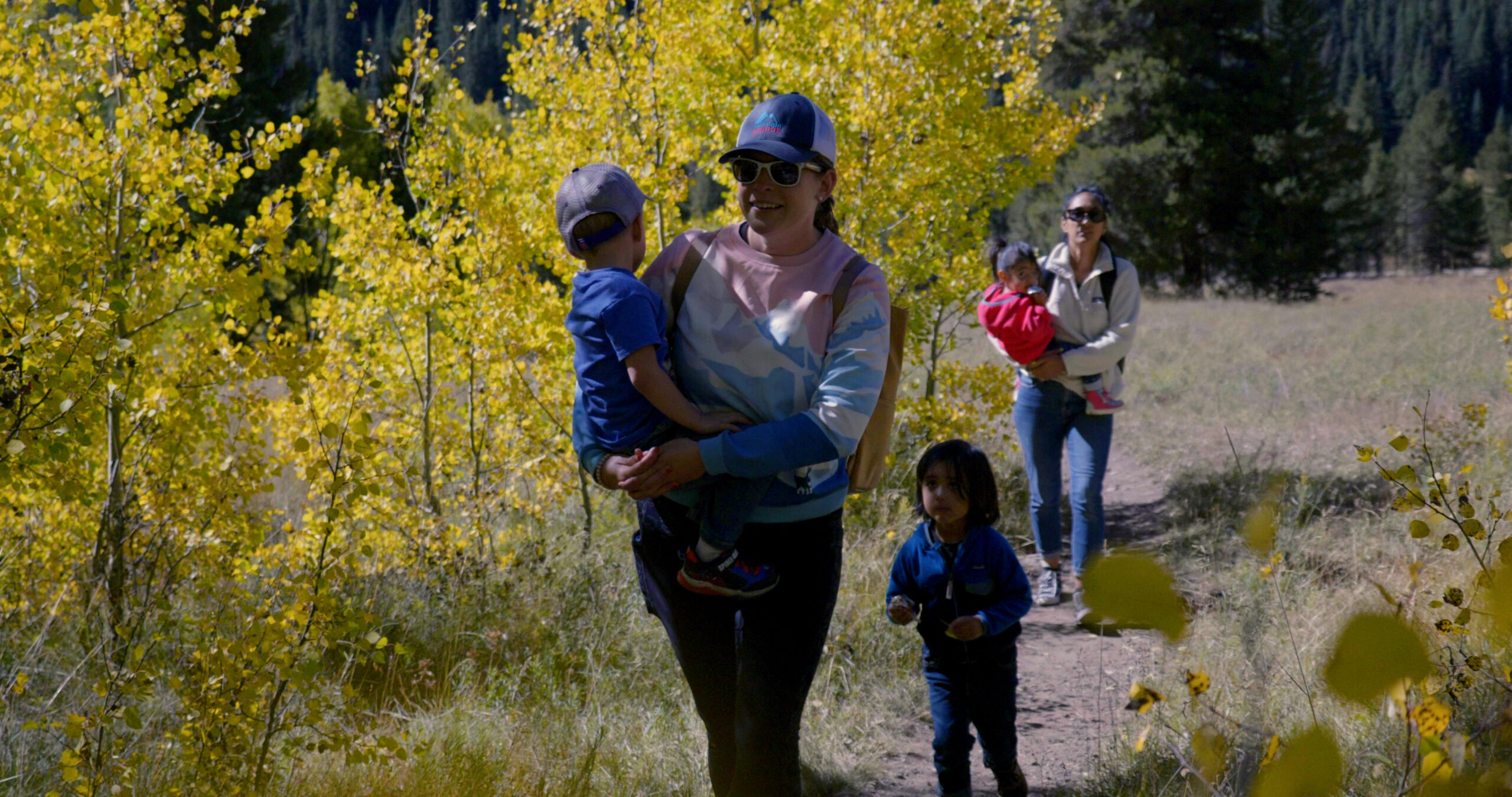
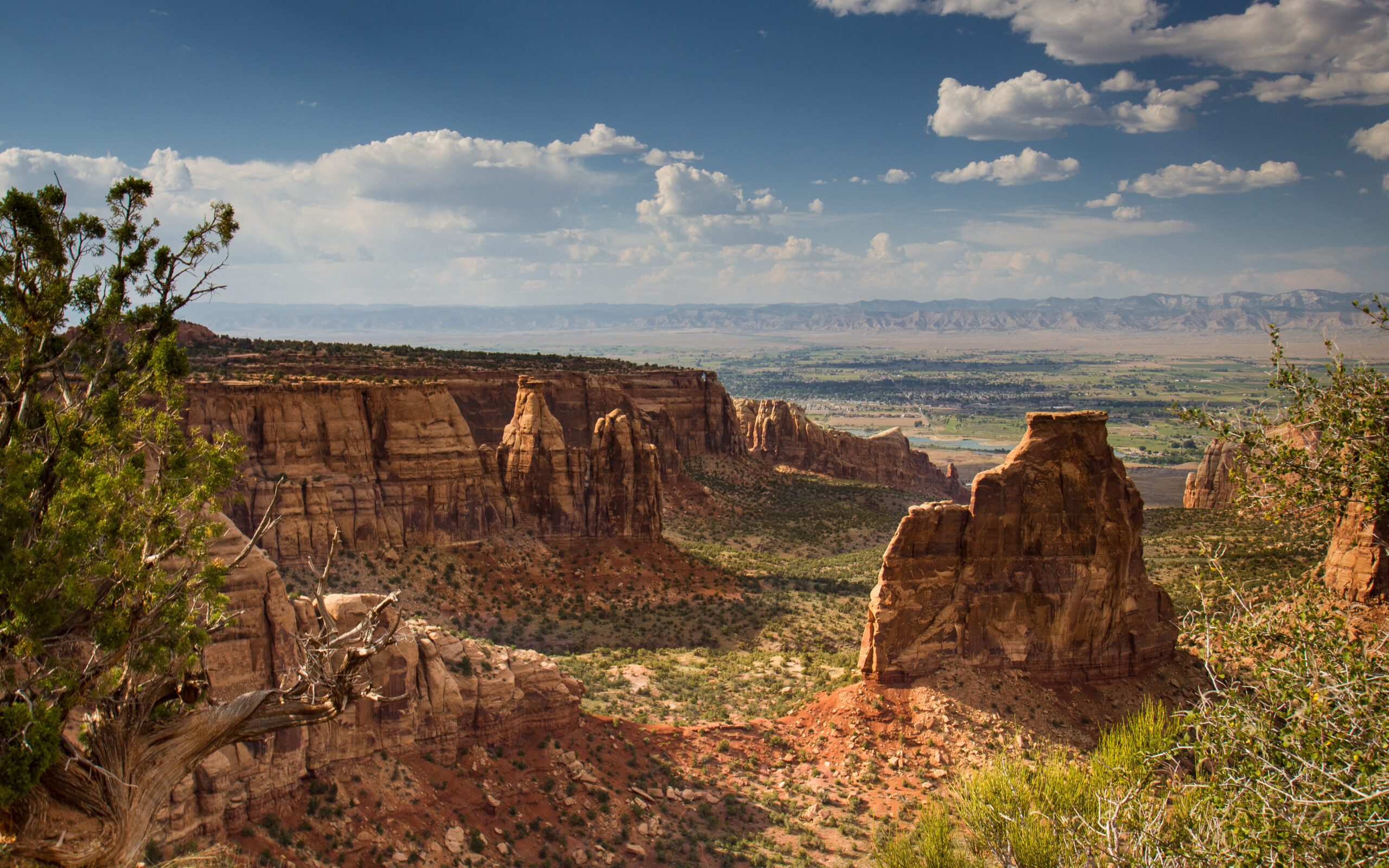
Coloradans enjoy wide open spaces, incredible mountains, beautiful canyons, plains and mesas and wildlife. From the Front Range to the Four Corners, endless adventures await our families. As Mountain Mamas, we love to share our joy of the outdoors and our favorite places with our kids.
But climate change and dirty energy development threaten those incredible places. Meanwhile not all families have equitable access to natural places. Colorado Mamas must work together to protect our remaining wild areas so that our kids can introduce them to our grandkids someday.

CURRENT PRIORITIES

CELEBRATING OUR NATIONAL MONUMENTS

What are National Monuments?

National Monuments represent some of the most iconic public lands across our country.

The Antiquities Act, which enables sitting presidents to designate existing federal lands as national monuments, preserves significant natural, cultural, or scientific features. In doing so, those areas and their important contributions are safeguarded so that our children and their children can benefit from them for generations to come.

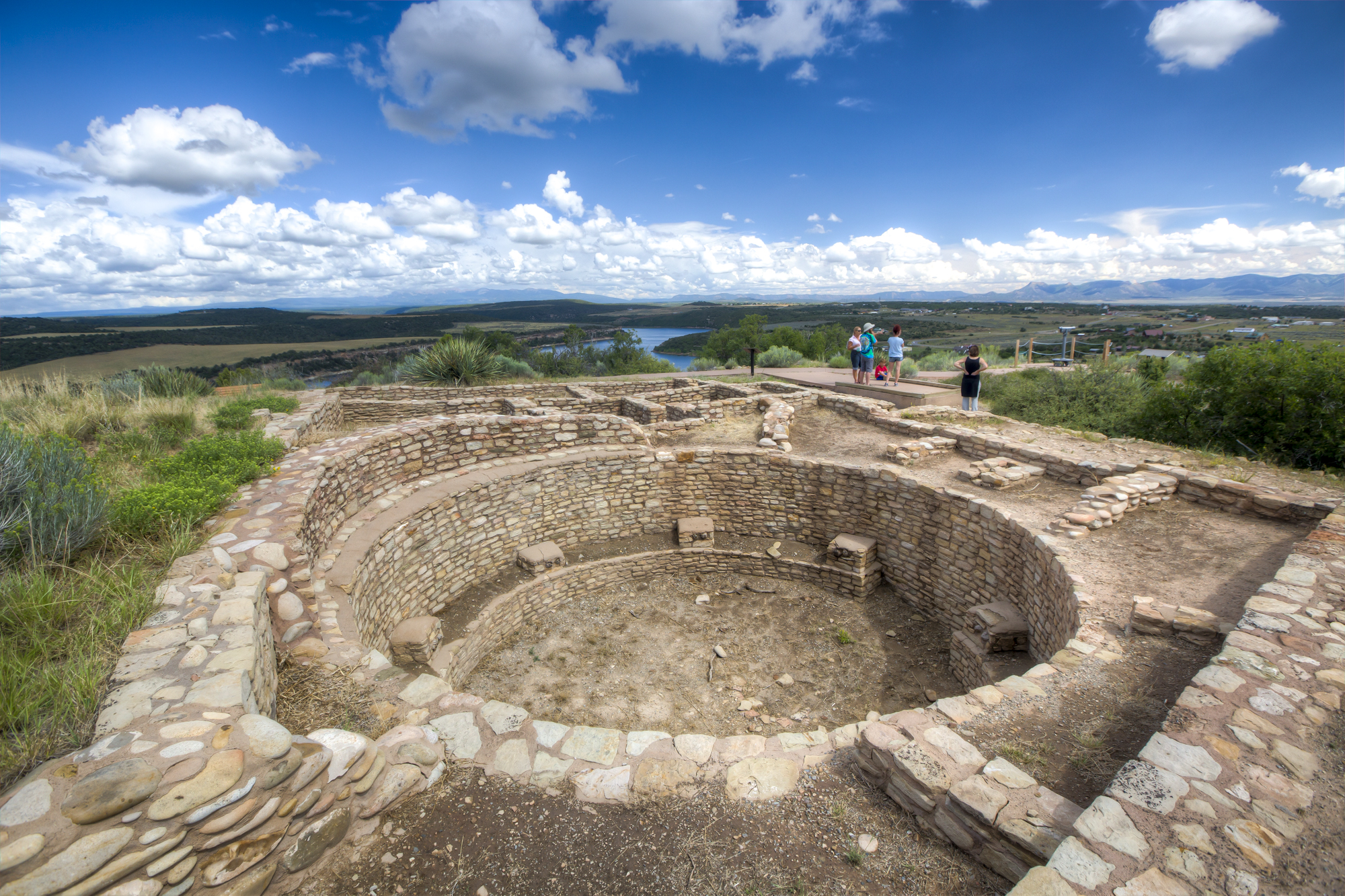
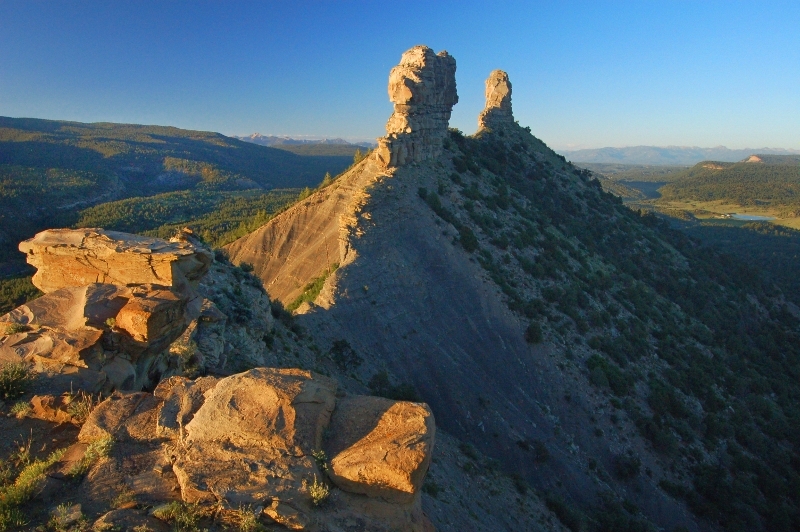
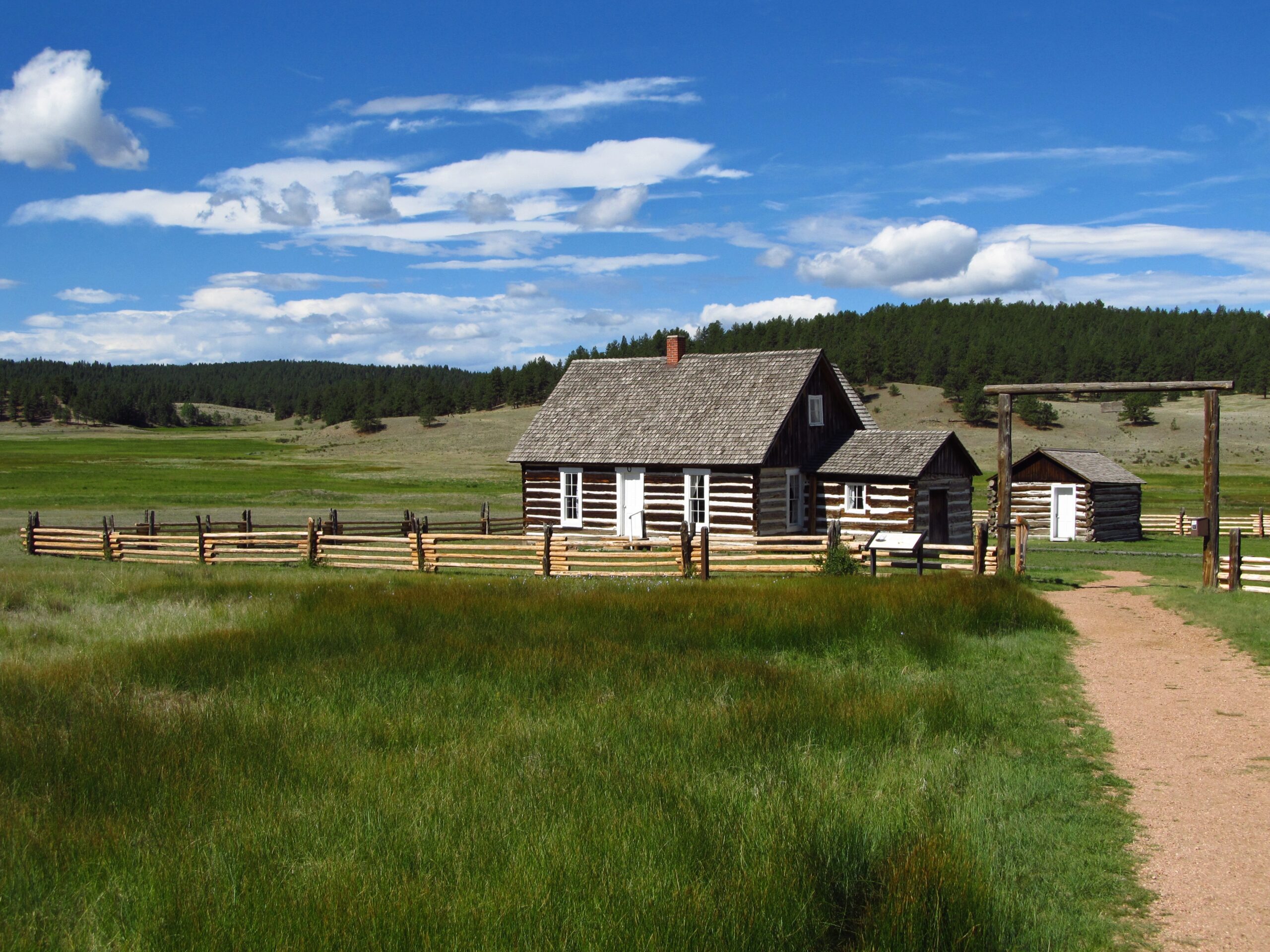
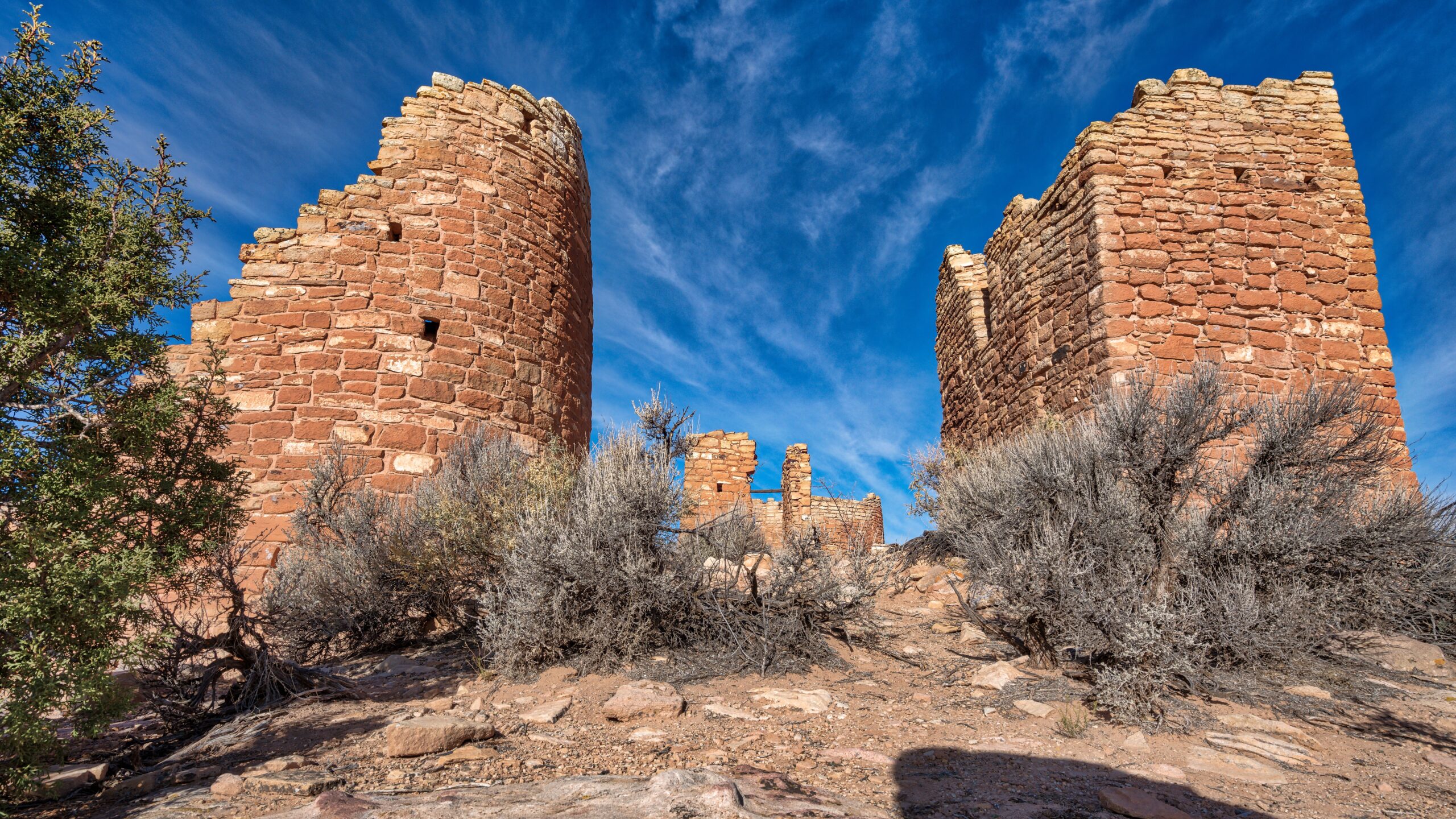
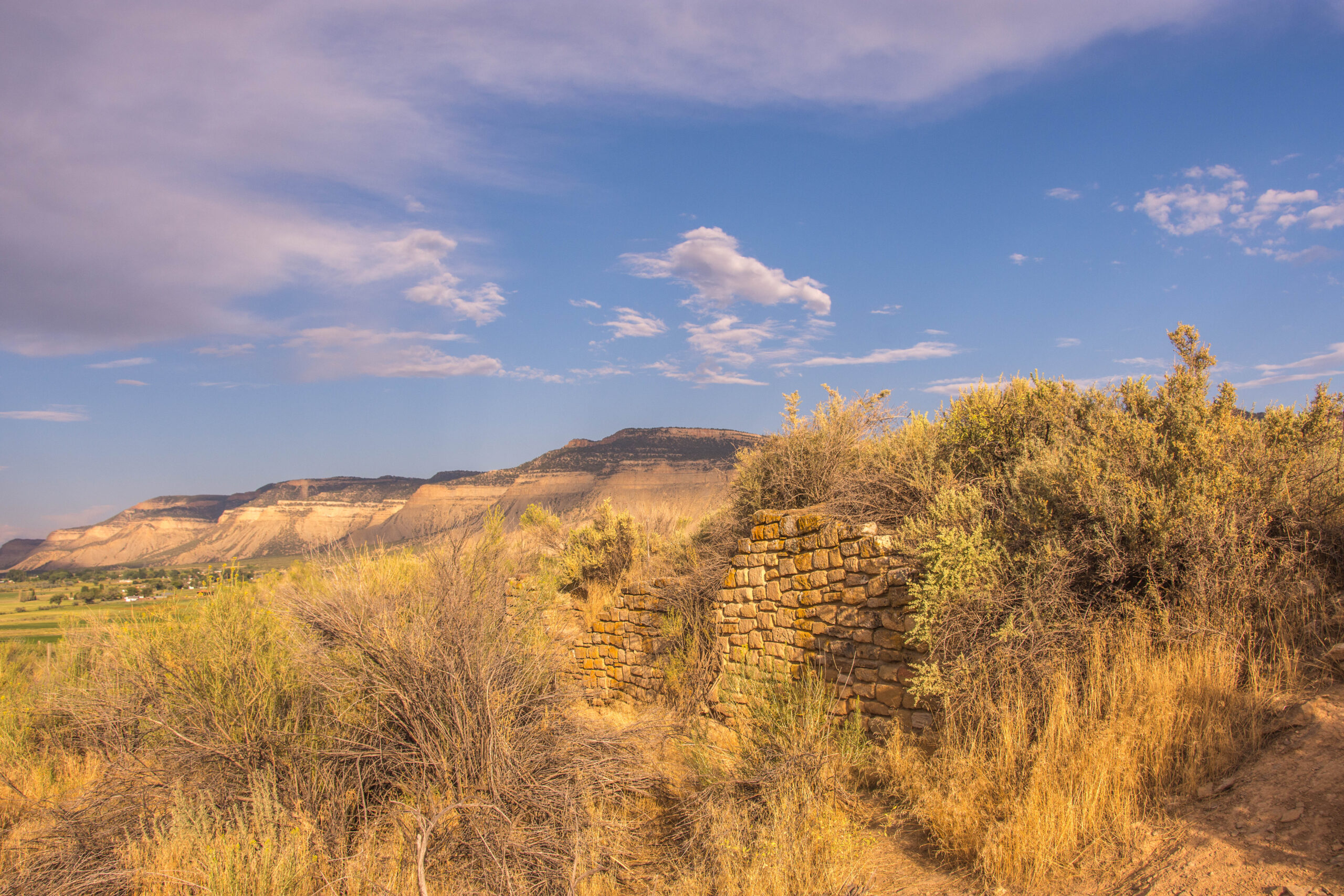
Each national monument is different and offers its own special features. They are as diverse as Dinosaur National Monument here in Colorado to the Statue of Liberty in New York.

We can learn of ancestors that have shaped who we are today, enjoy recreational opportunities and more equitable access to nature, or study natural phenomena. We are lucky to have eight beautiful and incredible monuments in Colorado that draw nearly 900,000 visitors each year.

In June 2021, the Antiquities Act celebrated its 115th anniversary. When President Theodore Roosevelt signed the Antiquities Act into law, he paved the way for not only permanent preservation of cultural and historical lands central to our nation’s history, but also ensured surrounding communities a steady revenue stream through tourism spending and investment.

Check out the list below to see what the national monuments in Colorado have to offer. Then get out and explore with your family the beauty, education, recreation and sense of solitude that these natural areas provide.

PROTECT THE DOLORES CANYON

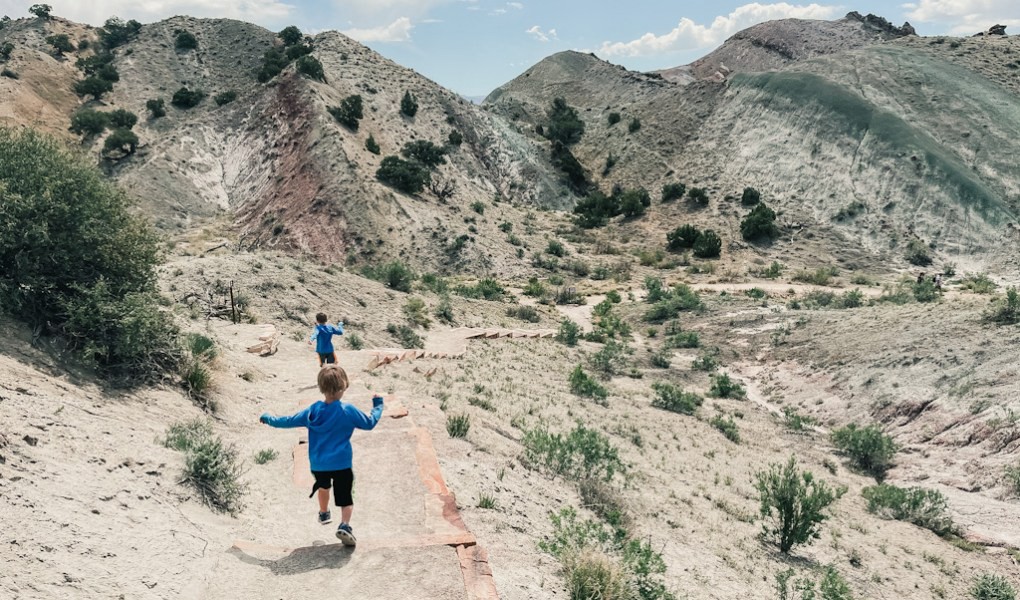
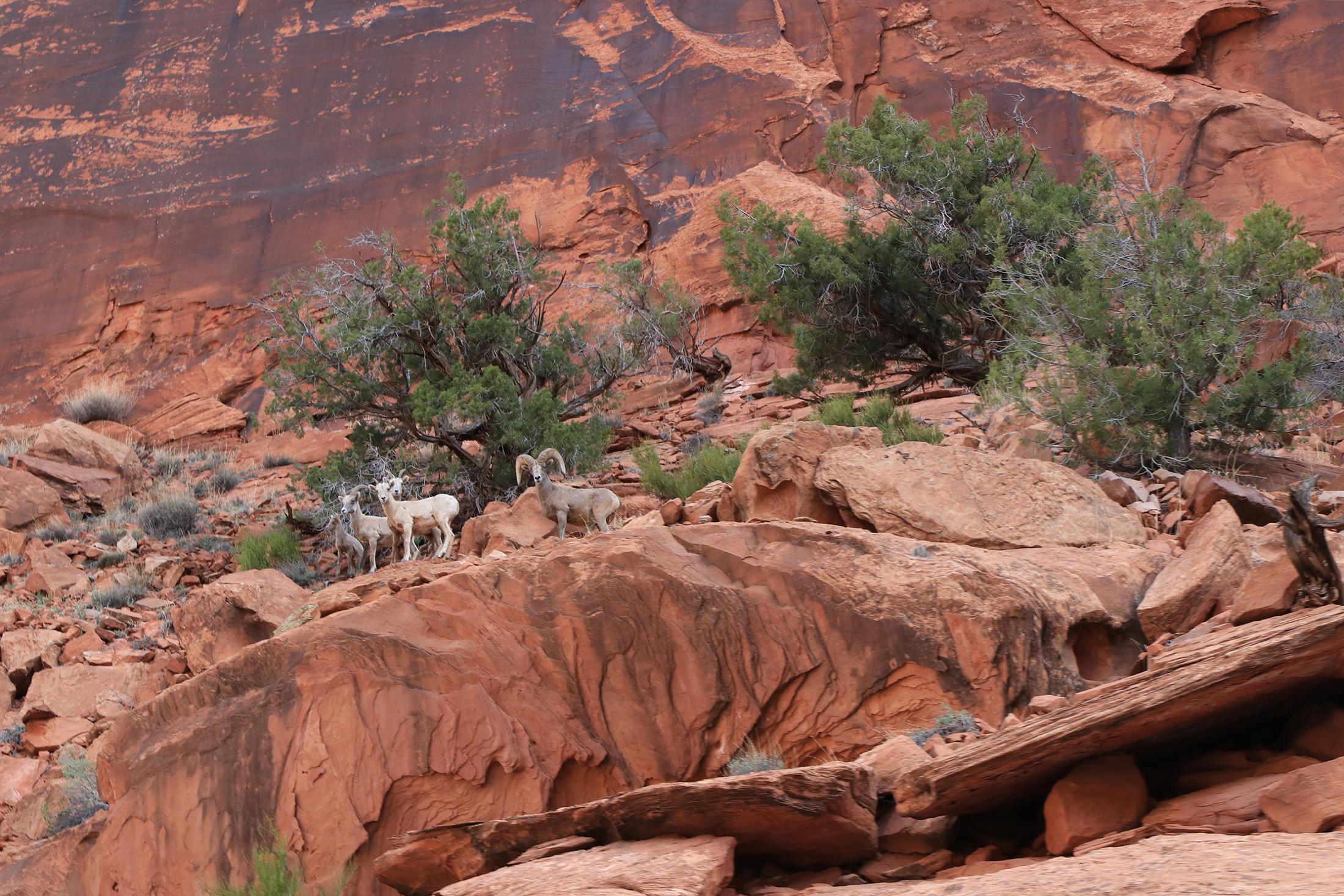
The Dolores River Canyons Country in Western Colorado features incredible high desert ecosystems and is the largest, most biodiverse unprotected area in Colorado.

The stunning landscape is as beautiful as it is inspiring.

Photo courtesy Rig to Flip

Threatened by the climate crisis and development, the area is deserving and in need of protection .

We, and a growing numbers of others across the state, are calling on our elected leaders to protect and support all that is so special in this area-

  • Critical wildlife habitat and rich biodiversity
  • Important cultural sites
  • Ecological resilience
  • Local economies
  • Added protection of equal access for everyone
  • Outdoor recreational opportunities

So many of us are raising our kids in Colorado for the outdoors.

We understand the countless benefits to their physical and mental health, to share with them a sense of awe and a connection to nature, to get them off their screens, teach them about those that came before us, and opportunities to learn skills like creativity and managed risk.

Dolores Canyons is an outdoor classroom that offers all of this and more.

PREVIOUS WINS

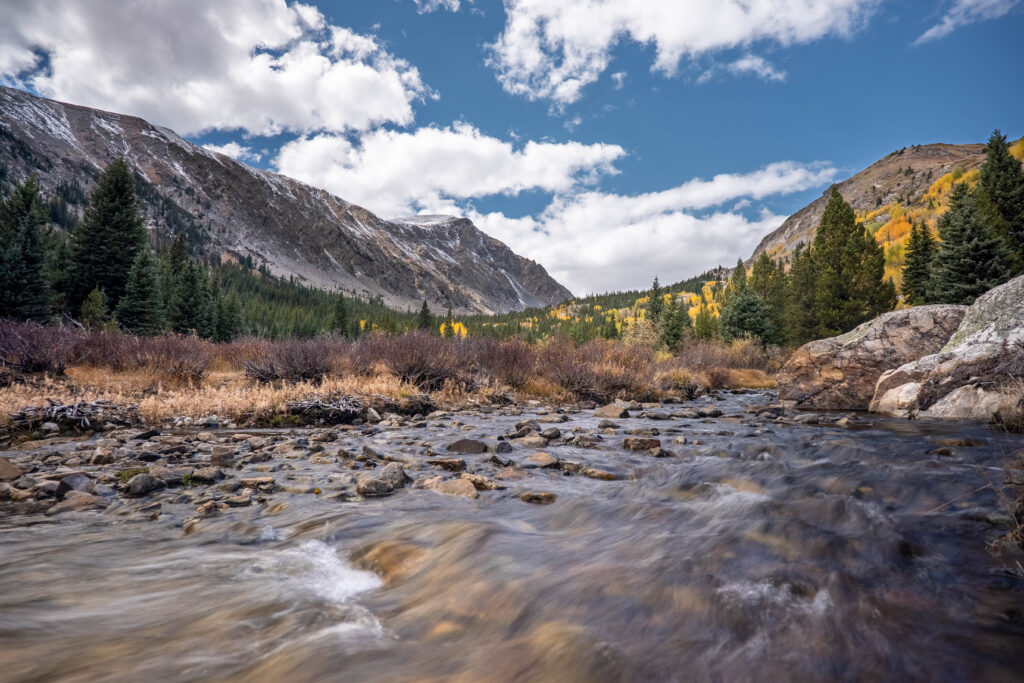
CAMP HALE – CONTINENTAL DIVIDE NATIONAL MONUMENT DESIGNATION

LAND & WATER CONSERVATION FUND

WE DID IT!

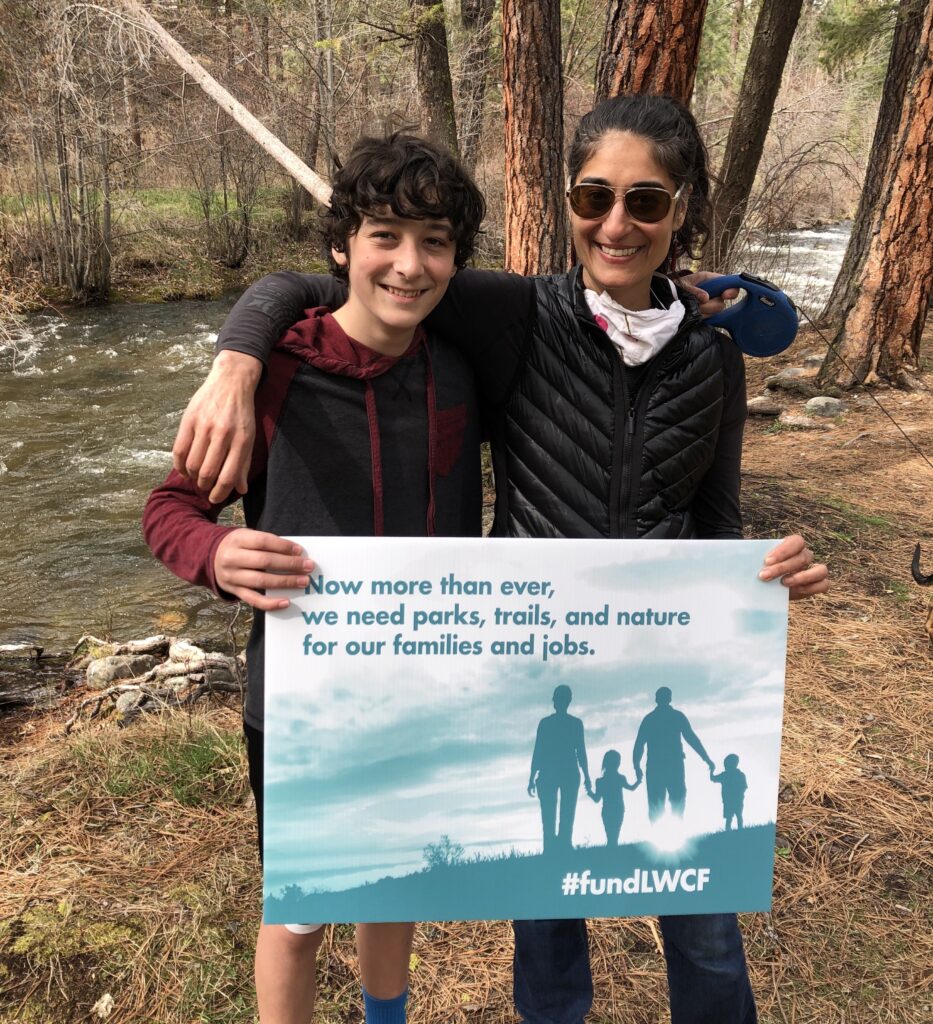
We saved the Land & Water Conservation Fund with the passage of the Great American Outdoors Act on August 4, 2020!

It took the Mountain Mamas seven years to get the Land & Water Conservation Fund over the finish line as part of the Great American Outdoors Act. As Mamas, we forced bi-partisan support, held Senators and Congressmen/women accountable for their voting record, and saw the votes change when it mattered most. Why? Because we fought for something that is good for EVERYONE.

Stay Updated, Follow Colorado Mountain Mamas:

Mountain Mama’s Colorado staff members work statewide yet are currently based out of Denver, which occupies the ancestral, traditional, and contemporary lands of the Hinónoʼeitíít (Arapaho), Tsétsêhéstâhese (Cheyenne), and Núu-agha-tʉvʉ-pʉ̱ (Ute) peoples.

Learn why land acknowledgments are important here and start finding out more about the history of your location here.

en_USEN