FOR IMMEDIATE RELEASE: September 22, 2026
Contacto:
Keagan Zoellner
Montana Mountain Mamas State Director
keagan@mtnmamas.org
406.871.2153
New Report: $171 Million in LWCF Investments Crucial to Montana
The Land and Water Conservation Fund has supported 800+ Montana community projects, protected working lands and expanded public access – advocates warn new restrictions and funding diversions could undermine decades of investment
Columbia Falls, Mont. – A new report released today documents the economic and community benefits of the Land and Water Conservation Fund (LWCF) in Montana, highlighting more than $171 million invested in the state between 2021 and 2025 while warning that new federal restrictions and efforts to divert LWCF funding threaten a program that has become critical to Montana’s communities, outdoor economy and public lands.
“LWCF is one of the rare federal programs that has consistently brought Montanans together,” said Keagan Zoellner, Montana State Director, Mountain Mamas. “Parents, families, hunters, anglers, ranchers, timber operators, conservationists, business owners and local governments have all benefited. At a time when Montana is growing and development pressures are increasing; we should be strengthening this proven investment – not putting it at risk.”
Nearly a dozen Montana organizations that advocate for conservation, public lands, Montana’s outdoor recreation industry, hunters and anglers joined forces in commissioning the 2026 Land and Water Conservation Fund report detailing the economic and community benefits of the policy. The Land and Water Conservation Fund (LWCF) directs federal revenues from offshore oil and gas development – not taxpayer dollars – toward conservation, recreation and public access projects. The program has particular significance in Montana, where local governments and communities often lack the resources to finance major recreation and conservation projects on their own.
“Montana’s public lands and waters are a major economic driver for the state. LWCF serves as the bedrock of our $3.4 billion outdoor recreation economy and our way of life – without any burden to Montana’s taxpayers. For every dollar invested through LWCF, we see a $4 return – that’s an incredible ripple effect that benefits all,” said Marne Hayes, Business for Montana’s Outdoors Director. “This report is further evidence that LWCF must remain dedicated to its mission of conservation and expanding public access rather than being diverted for other purposes.”
The report features specific case studies of LWCF projects across Montana with particular benefits to rural economies including:
- Somers Beach State Park – $1,338,000 in LWCF state & local assistance grants to create Montana’s newest state park with improved public recreation access on 106 acres on the shorts of Flathead Lake
- Glasgow – $1,044,871 in LWCF state assistance grants to support a new community pool, 8 parks & playground projects including upgrades for Centennial and Hoyt parks
- Shelby – $526,000 in LWCF local assistance grants supporting 14 park projects including The Shelby Skatepark
- National Park Service (Glacier National Park) – improving public access by streamlining opportunities to eliminate checkerboard land ownership
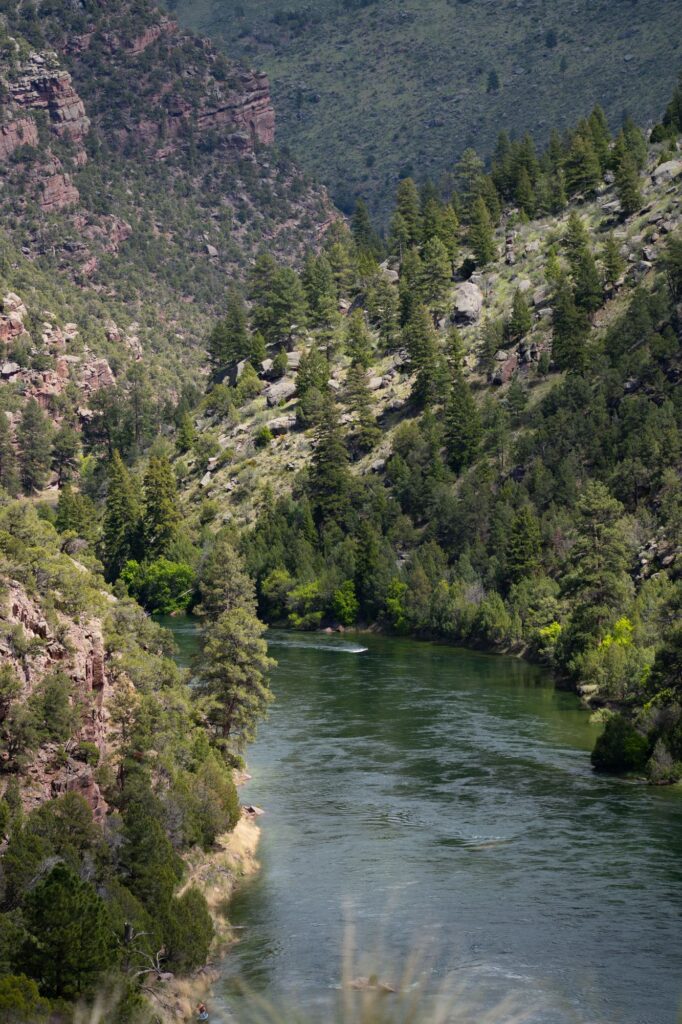
- Bad Rock Canyon Wildlife Management (Columbia Falls) – $4 million in LWCF funding to add 722 acres to the 12,000 acres stretch of the Flathead River Conservation Land protecting access and conservation.
- Beaverhead-Deerlodge National Forest – $8.3 million in LWCF funds to conserve 1,745 acres and transfer 1,350 private inholdings to public land to improve access.
- Protecting Family Ranches (Rappold Ranch, Dupuyer) – 8,000 acres added to the ranch property, 20,000 acres added in grazing allotments, more than 5,000 acres preserve through conservation easements.
For more than 60 years, LWCF has quietly helped build the Montana that residents and visitors know today. The program has supported more than 800 community projects statewide, helped acquire roughly half of Montana’s 330 fishing access sites, conserved tens of thousands of acres of working timberlands and protected working ranches across some of Montana’s most important landscapes.
However, the report comes as the future of LWCF faces renewed uncertainty.
The Department of the Interior and U.S. Forest Service are considering new restrictions and bureaucratic hurdles for LWCF projects, including changes associated with Secretarial Order 3442. At the same time, members of Congress have repeatedly proposed diverting LWCF funding away from its intended purpose.
Advocates warn that additional red tape could make it more difficult for Montana communities to compete for LWCF funding – particularly smaller communities and local governments with limited staff and financial resources. Efforts to redirect LWCF funding could also jeopardize the long-term investments that have helped Montana protect public access, working landscapes and community recreation.
After the 2026 mid-term elections, Montana will have at least two new members of its congressional delegation. The report urges elected officials to defend the program against what they say are growing efforts to undermine its funding and make it harder
for communities to access LWCF dollars.
The report calls on Montana’s future congressional delegation to:
- Protect full and permanent LWCF funding;
- Oppose efforts to divert LWCF dollars from their intended purposes;
- Protect public access to public lands and waters; and
- Reject unnecessary federal restrictions and bureaucratic hurdles that prevent Montana communities from putting LWCF funding to work.
The full 2026 report, “Keeping Montana the Last Best Place: The Economic and Community Benefits of the Land and Water Conservation Fund For Montana” can be viewed HERE.
Acerca de Mamás de montaña
Mountain Mamas is a Montana-based non-profit organization that educates, inspires, and activates moms to protect our air, water, climate and public lands for the next generation.

 SP
SP  EN
EN